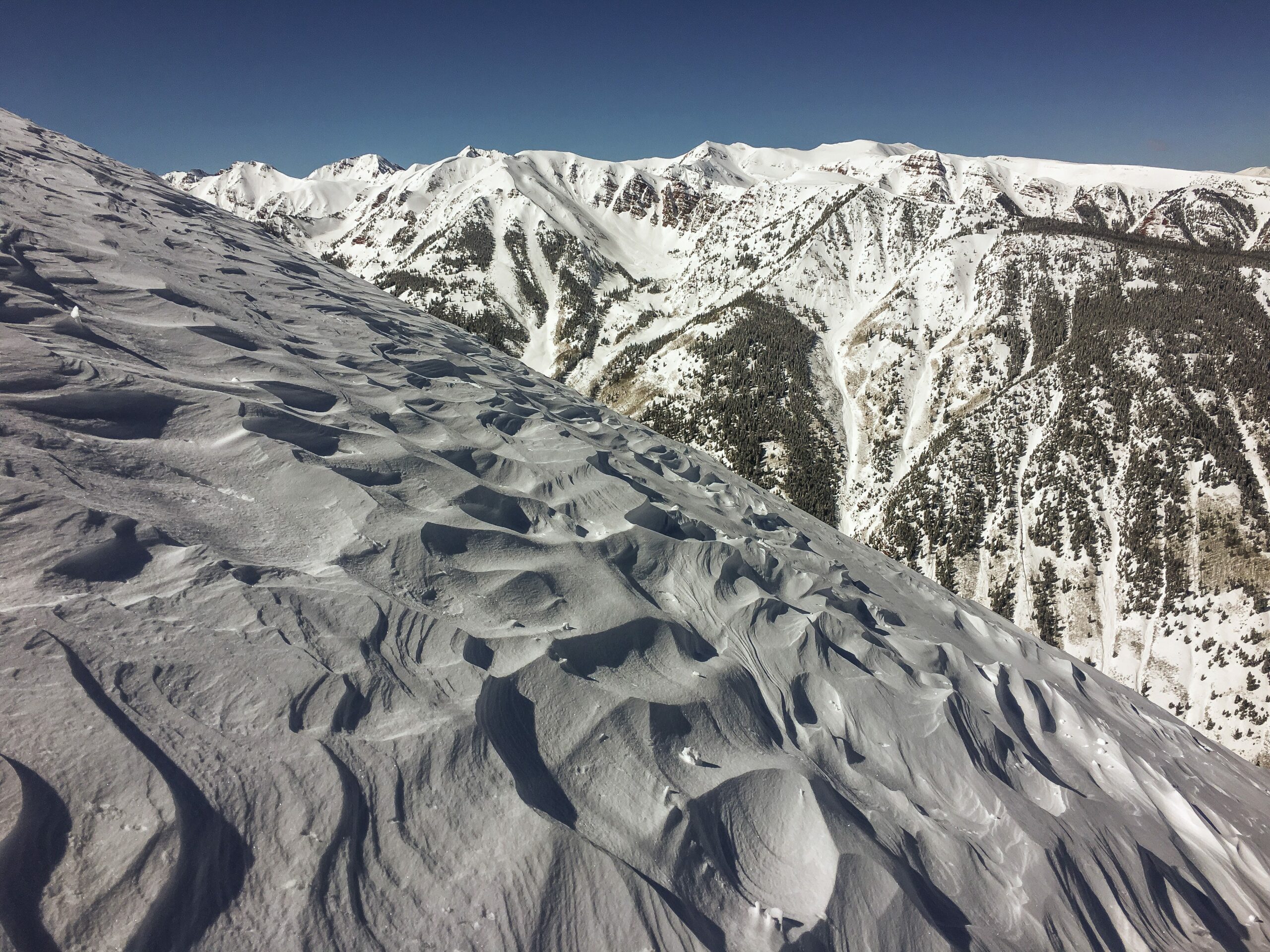
Why I’m launching snow.news
snow.news is a free multimedia newsletter for people who love snow and want to know what’s happening with the American West’s snowpack.
snow.news is a free multimedia newsletter for people who love snow and want to know what’s happening with the American West’s snowpack.
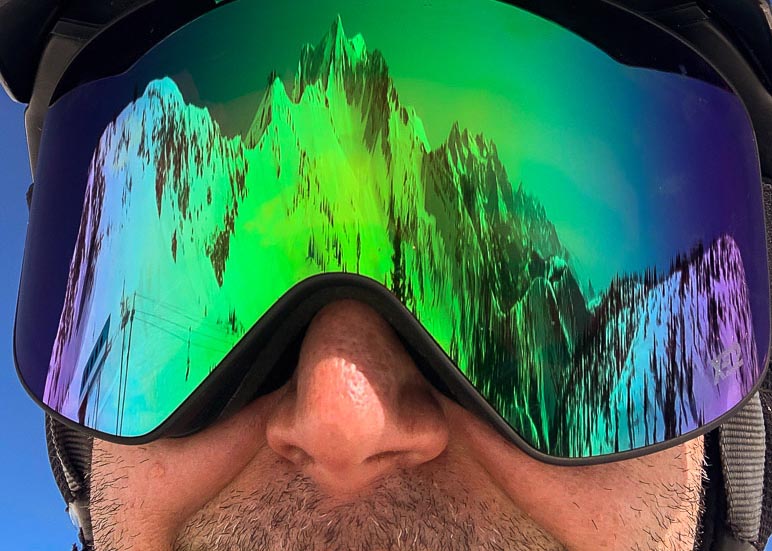
Goggles are one of the most important pieces of skiing and snowboarding gear. Without them, you could be in for a long day on the slopes.
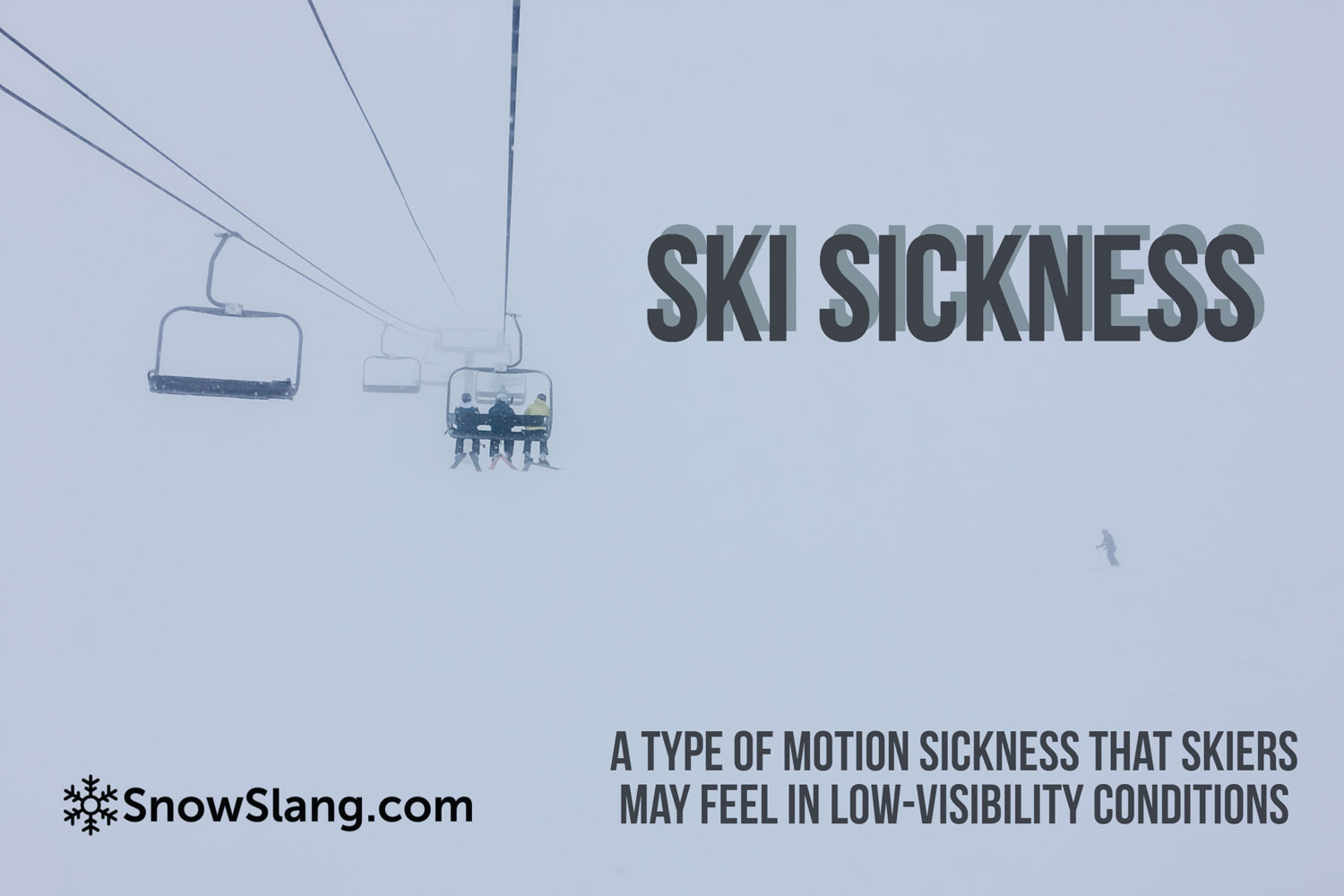
Ski sickness is a form of motion sickness that can strike skiers when visibility is poor in fog, whiteout, blizzards, and flat light conditions.
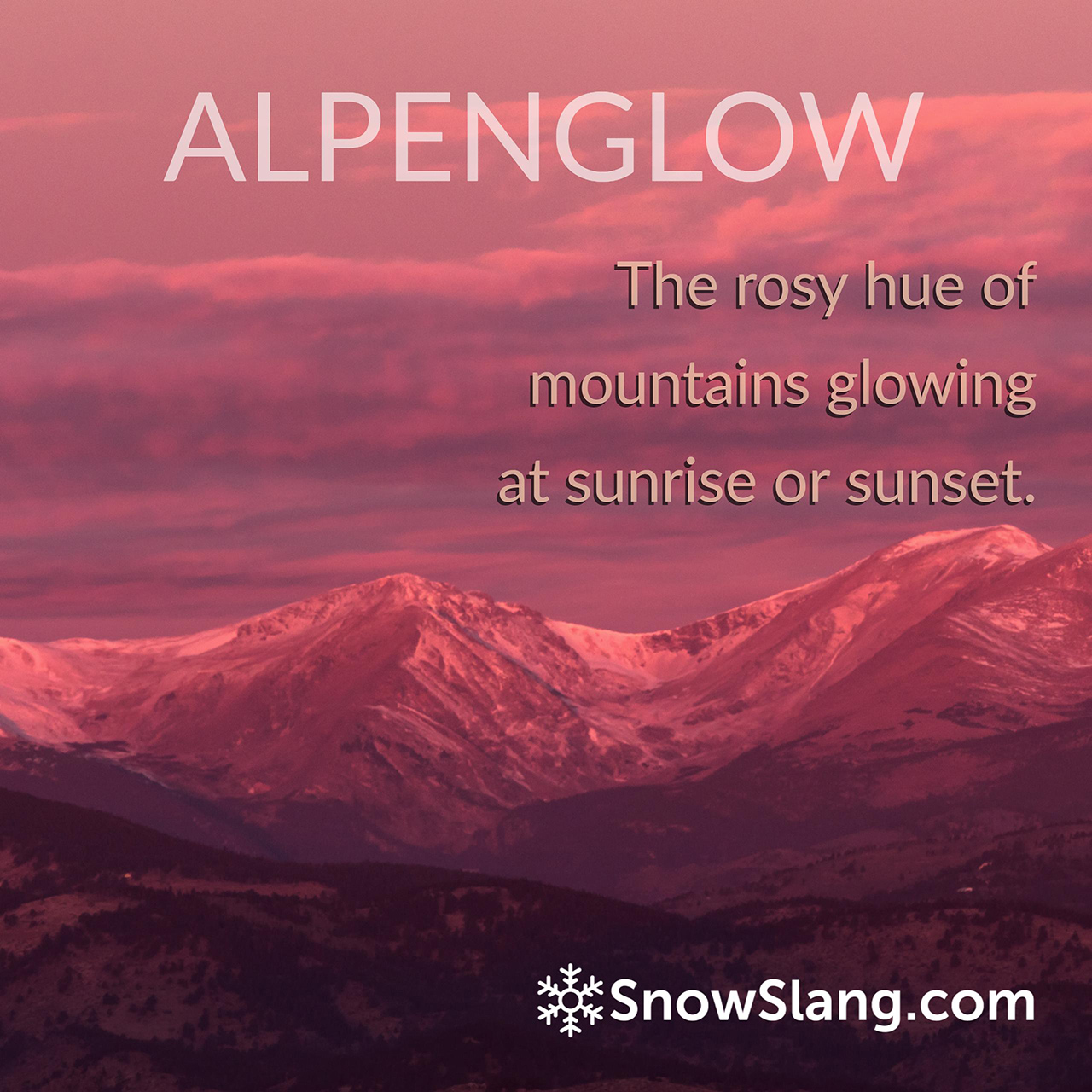
Learn the origin, meaning, and cause of alpenglow, a rosy hue seen on mountains around sunrise and sunset.
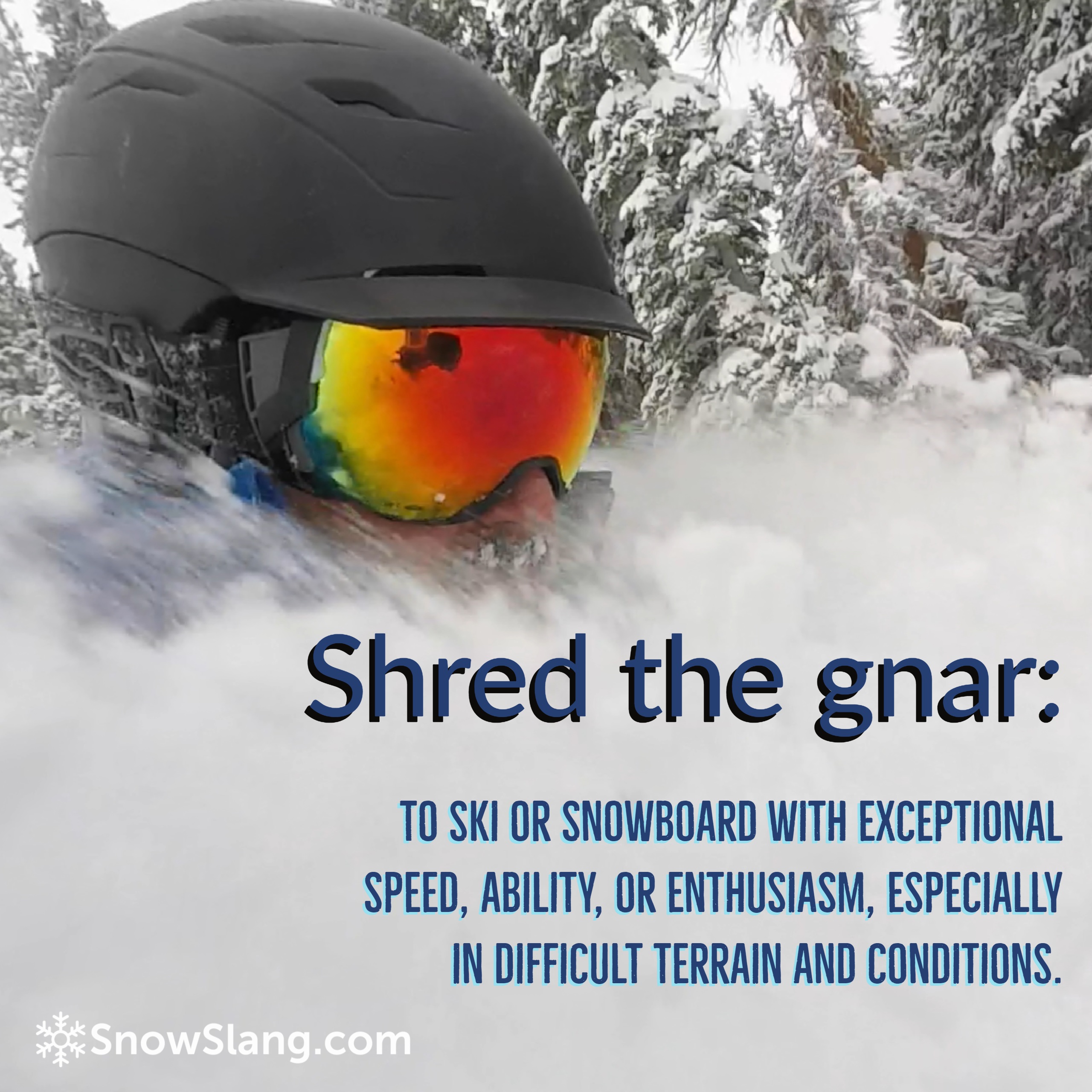
You won’t spend much time on the slopes without hearing the quintessential slang phrase.
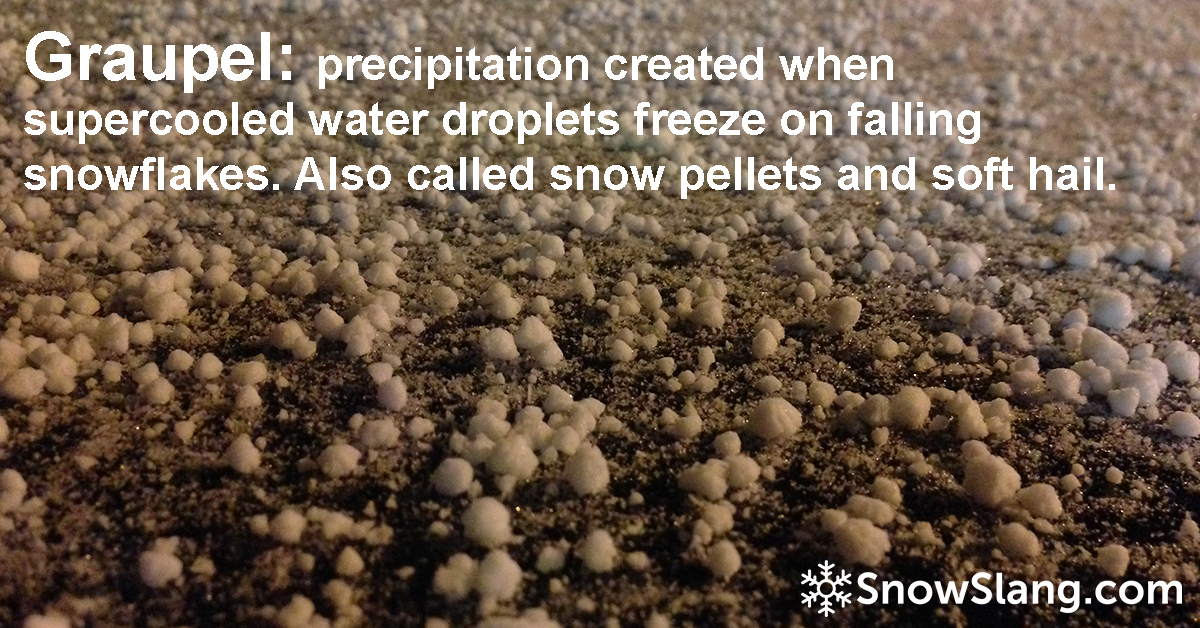
Is it sleet? Hail? No, it’s graupel, a relatively obscure form of precipitation that resembles balls of Styrofoam.
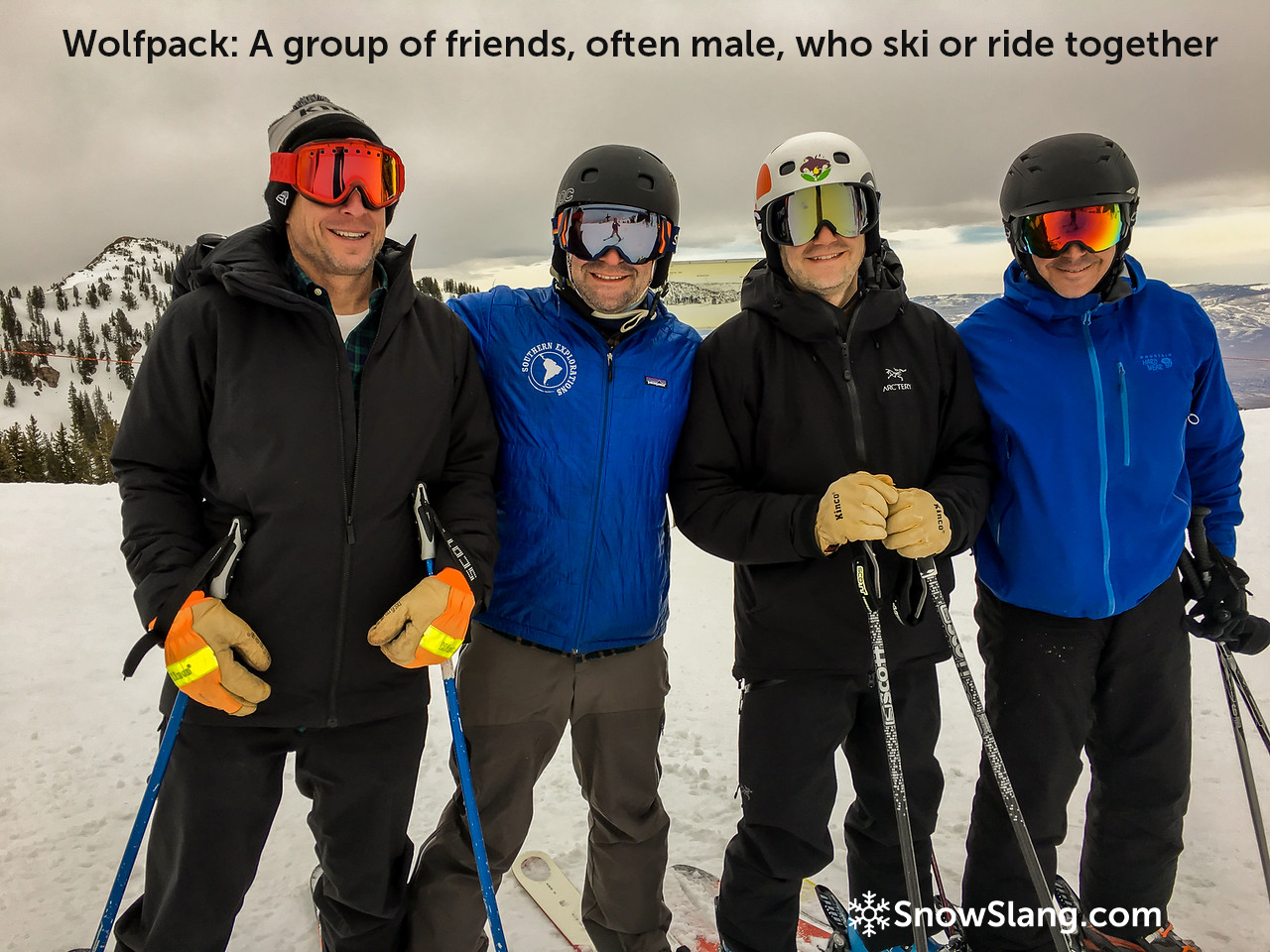
A wolfpack is a group of friends, usually guys, who ski or ride together, similar to a posse.
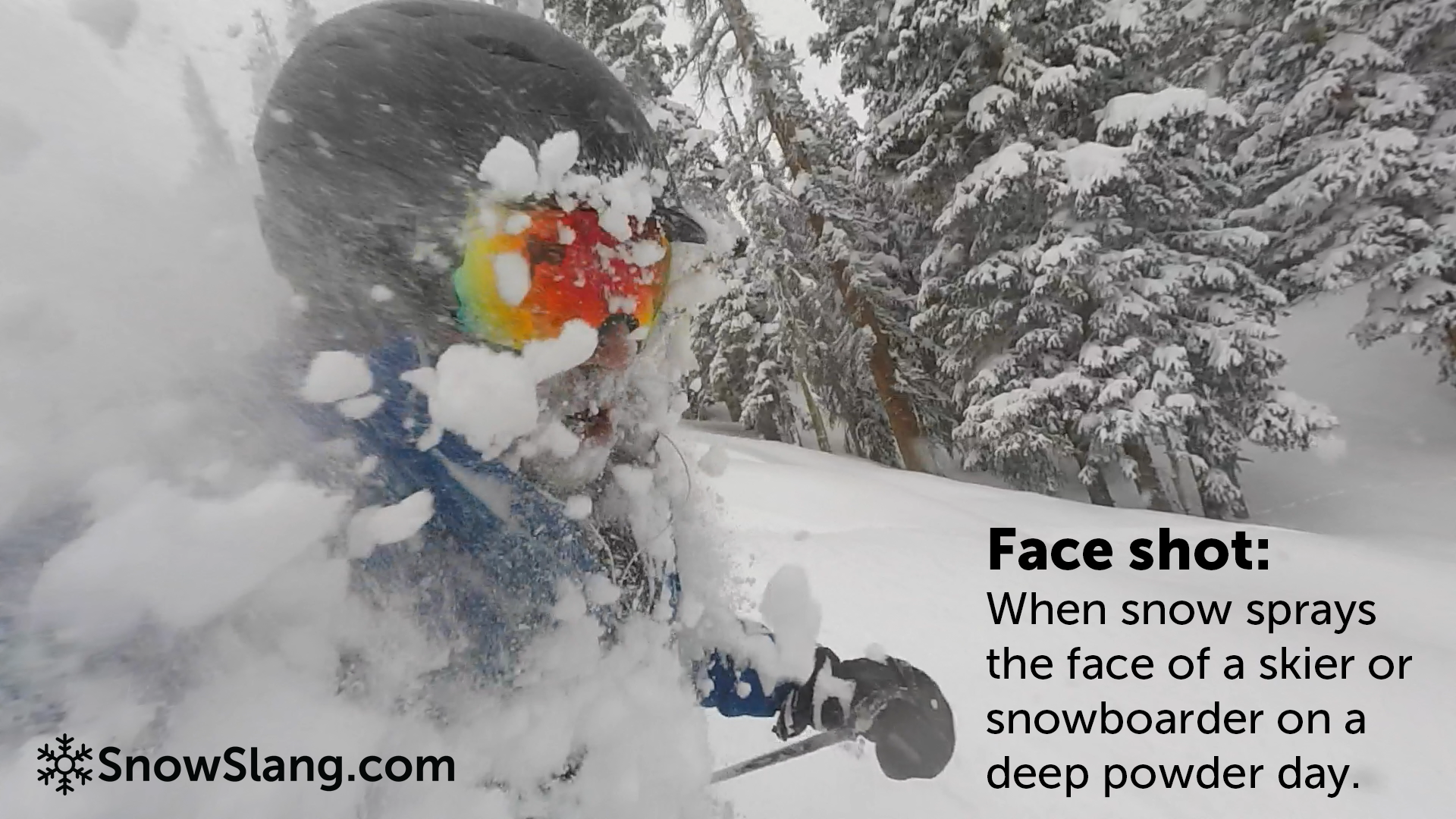
What is a face shot? A face shot occurs when snow sprays a skier or snowboarder’s face on a powder day. The snow must be deep and light enough (e.g., blower, Champagne Powder®) and the rider must have sufficient speed to elevate the snow to face level. I took the shot above with a GoPro camera attached to the end